
Prinsip ATM (Amati-Tiru-Modifikasi) Untuk Kesuksesan Bisnis

Prinsip ATM atau Amati, Tiru dan Modifikasi adalah sebuah prinsip bisnis yang sudah populer. Bahkan, metode ini juga bisa diterapkan dalam hal lain. Jika Anda seorang pengusaha yang ingin selalu eksis walau ada banyak pesaing, maka ATM adalah sebuah prinsip atau strategi yang bisa Anda lakukan untuk tetap kreatif, berpikiran fresh serta menyediakan sesuatu yang lebih unik lagi. Tidak bisa dipungkiri jika ATM adalah cara yang tepat untuk mendapat banyak konsumen serta bertahan dari persaingan yang ada.
Amati
Maksudnya adalah Anda akan mengamati jalannya bisnis yang dijalankan oleh pesaing Anda. Mengamati bukan hanya melihat namun lebih tepat mempelajari. Mempelajari disini bisa dikaitkan dengan produk, startegi pemasaran dan lain-lain. Mengamati hampir sama dengan menganalisa serta menyimpulkan hasil pengamatan untuk dijadikan referensi di langkah selanjutnya, yakni Tiru. Mengamati seluk beluk bisnis pesaing adalah hal wajib yang harus dilakukan agar Anda tetap eksis di dunia bisnis.
Anda juga bisa mendefinisikan arti mengamati dengan riset kecil-kecilan. Anda bisa melakukan analisis SWOT atau Strong, Weakness, Opportunity dan Threats sebagai salah satu cara untuk bisa mengamati kondisi pesaing dengan baik. Jika Anda terbiasa dengan proses pengamatan ini, tentu mengamati produk dan perkembangan pesaing bukan hal yang mustahil. Mengamati juga bisa dijadikan sebagai langkah untuk evaluasi karena Anda akan membandingkan apa yang Anda amati di perusahaan lain dan apa yang Anda miliki di perusahaan Anda.
Tiru
Usai proses pengamatan, maka hal berikutnya yang wajib Anda lakukan adalah dengan menirunya. Ingat, setelah memiliki pengetahuan yang cukup tentang suatu produk, maka langkah inilah yang dikatakan sebagai action. Memang terlihat mudah, yakni meniru saja. Namun, Anda harus paham tentang aspek yuridis terlebih lagi jika pesaing sudah memiliki hak paten atau daftar untuk produknya. Maka meniru tanpa keprofesionalismean bisa mengakibatkan fatal karena Anda akan dicap peniru, plagiat bahkan bisa dengan kata pencuri ide.
Maka, dalam meniru, perhatikan tentang etika dan hukum yang berlaku. Ada beberapa hal yang bisa Anda tiru seperti;
- prinsip usaha
- sistem manajemen
- pola kerja
- proses produksi
- peralatan yang digunakan
- strategi pemasaran
- standar pelayanan
- fighting spirit dan’
- mentalitas
Namun, Anda dilarang untuk meniru logo, merk serta hal lain yang dilindungi oleh hukum. Jika tidak, Anda akan mengetahui bahwa meniru juga bisa berakibat fatal.
Dengan melakukan Amati dan Tiru, maka Anda sudah bisa menghemat waktu, energy dan dana untuk menemukan ide baru. Hanya saja, tidak hanya berhenti disini. Anda juga harus melakukan prinsip yang ketiga yakni modifikasi.
Modifikasi
Memang benar jika Amati dan Tiru sudah cukup bagi Anda untuk tetap eksis di dunia bisnis. Hanya saja, akan terlihat membosankan bahkan cenderung monoton dan tidak kreatif jika Anda tidak melakukan sedikit modifikasi pada produk Anda. Anda harus tetap memberikan sentuhan yang berbeda pada produk Anda agar jauh dari kesan meniru. Karakter, sumber daya, gaya serta kondisi Anda harus memberikan warna dan sentuhan berbeda agar terlihat jauh dengan produk milik pesaing. Selain itu, sentuhan modifikasi akan memberikan kesan segar.
Konsumen juga akan melihat apa yang Anda tawarkan jauh lebih segar dan baru dibanding dengan apa yang dilakukan oleh pesaing. Modifikasi memang membutuhkan tenaga, waktu, pikiran serta dana. Itu karena ini adalah langkah terakhir dimana Anda juga harus menentukan bagaimana produk Anda akan dimodifikasi agar terlihat berbeda dan lebih mengesankan dibanding dengan pesaing. Selain itu, strategi pemasaran juga dibutuhkan agar nilai jual menjadi lebih tinggi lagi.
Jika tidak semuanya, maka hampir seluruh pengusaha melakukan 3 prinspi ini, Amati, Tiru dan Modifikasi dalam karir bisnis mereka. Itu karena prinsip ATM ini sudah lumrah dan mudah untuk dijalankan dengan hasil yang maksimal walau dengan dana yang minim. Anda harus lebih aware terhadap prinsip ini karena bisa jadi pesaing Anda juga sedang melakukan prinsip ATM ini terhadap perusahaan dan produk Anda. Artinya, Anda selalu dituntut untuk melakukan berbagai inovasi agar ide Anda terlihat selalu segar.
Congklak
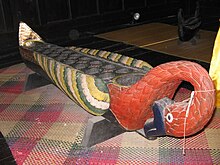
Congklak adalah suatu permainan tradisional yang dikenal dengan berbagai macam nama di seluruh Indonesia. Biasanya dalam permainan, sejenis cangkang kerang digunakan sebagai biji congklak dan jika tidak ada, kadangkala digunakan juga biji-bijian dari tumbuh-tumbuhan dan batu-batu kecil.
Nama di berbagai daerah
Di Jawa, permainan ini lebih dikenal dengan nama congklak, dakon, dhakon atau dhakonan. Di beberapa daerah di Sumatra yang berkebudayaan Melayu, permainan ini dikenal dengan nama congkak. Di Lampung, permainan ini lebih dikenal dengan nama dentuman lamban, sedangkan di Sulawesi permainan ini lebih dikenal dengan beberapa nama: Mokaotan, Maggaleceng, Aggalacang dan Nogarata.
Permainan ini di Malaysia juga dikenal dengan nama congkak, sedangkan dalam bahasa Inggris permainan ini disebut Mancala.
Pengertian, Manfaat, Prinsip dan Gaya Renang

Pengertian Renang
| Renang |
Renang merupakan salah satu cabang olahraga aquatik. Renang adalah upaya untuk menggerakkan (mengapungkan atau mengangkat) semua bagian tubuh ke atas permukaan air. Renang biasanya dilakukan tanpa perlengkapan bantuan. Renang adalah cabang olahraga yang menggunakan anggota tubuh terutama bagian tangan dan kaki untuk bergerak di dalam air.
Berikut ini pengertian olahraga renang dari beberapa sumber:
- Menurut Muhajir (2004:166), renang adalah olahraga yang menyehatkan, sebab hampir semua otot tubuh bergerak sehingga seluruh otot berkembang dengan pesat dan kekuatan perenang bertambah meningkat.
- Menurut Budiningsih (2010:2), renang adalah salah satu olahraga air yang dilakukan dengan menggerakkan badan di air, seperti menggunakan kaki dan tangan sehingga badan terapung di permukaan air.
- Menurut Abdoelah (1981:270), Renang adalah suatu jenis olahraga yang dilakukan di air, baik di air tawar maupun di air asin atau laut.
- Menurut Erlangga (2010:75), Renang merupakan olahraga air yang sangat menyenangkan dan bermanfaat bagi kekuatan otot tubuh, jantung, paru-paru dan membangkitkan perasaan beraniBeranda › OlahragaPengertian, Manfaat, Prinsip dan Gaya RenangDitulis oleh Muchlisin Riadi Jumat, 18 Agustus 2017 Tambah KomentarPengertian RenangRenangRenang merupakan salah satu cabang olahraga aquatik. Renang adalah upaya untuk menggerakkan (mengapungkan atau mengangkat) semua bagian tubuh ke atas permukaan air. Renang biasanya dilakukan tanpa perlengkapan bantuan. Renang adalah cabang olahraga yang menggunakan anggota tubuh terutama bagian tangan dan kaki untuk bergerak di dalam air.Berikut ini pengertian olahraga renang dari beberapa sumber:
- Menurut Muhajir (2004:166), renang adalah olahraga yang menyehatkan, sebab hampir semua otot tubuh bergerak sehingga seluruh otot berkembang dengan pesat dan kekuatan perenang bertambah meningkat.
- Menurut Budiningsih (2010:2), renang adalah salah satu olahraga air yang dilakukan dengan menggerakkan badan di air, seperti menggunakan kaki dan tangan sehingga badan terapung di permukaan air.
- Menurut Abdoelah (1981:270), Renang adalah suatu jenis olahraga yang dilakukan di air, baik di air tawar maupun di air asin atau laut.
- Menurut Erlangga (2010:75), Renang merupakan olahraga air yang sangat menyenangkan dan bermanfaat bagi kekuatan otot tubuh, jantung, paru-paru dan membangkitkan perasaan berani.
Manfaat Renang
Olahraga renang selain menyehatkan juga memiliki manfaat. Menurut Budiningsih (2010:5) manfaat olahraga renang ada lima, yaitu:
- Sebagai sarana bermain/rekreasi Kolam renang dapat dijadikan sebagai sarana bermain dan rekreasi. Anakanak dan balita akan menyukai permainan air.
- Menyehatkan badan dan dapat merangsang gerakan motorik Berolahraga renang dapat menyehatkan badan. Bagi balita dan anak-anak, otot-ototnya akan berkembang, persendian dapat tumbuh optimal, tubuh menjadi lentur, dan pertumbuhan badan meningkat.
- Dapat menghilangkan rasa takut pada air Dengan berolahraga renang dapat menghilangkan rasa takut pada air. Sehingga baiknya, semenjak bayi sudah dibiasakan bermain air dan kelak jika sudah besar tidak takut pada air.
- Meningkatkan keberanian, percaya diri dan mengasah kemandirian. Olahraga renang dapat mendorong kita tumbuh menjadi sosok yang berani, percaya diri tinggi, dan mandiri.
- Meningkatkan kemampuan sosial Olahraga renang yang dilakukan bersama-sama dapat menumbuhkan rasa kebersamaan. Juga dapat meningkatkan kemampuan untuk beradaptasi dan bersosialisasi dengan orang lain.
Candi Prambanan

Candi Prambanan atau Candi Roro Jonggrang (Hanacaraka: ꦕꦤ꧀ꦝꦶꦥꦿꦩ꧀ꦧꦤꦤ꧀ , Candhi Prambanan) adalah kompleks candi Hindu terbesar di Indonesia yang dibangun pada abad ke-9 masehi. Candi ini dipersembahkan untuk Trimurti, tiga dewa utama Hindu yaitu Brahma sebagai dewa pencipta, Wishnu sebagai dewa pemelihara, dan Siwa sebagai dewa pemusnah. Berdasarkan prasasti Siwagrha nama asli kompleks candi ini adalah Siwagrha (bahasa Sanskerta yang bermakna ‘Rumah Siwa’), dan memang di garbagriha (ruang utama) candi ini bersemayam arca Siwa Mahadewa setinggi tiga meter yang menujukkan bahwa di candi ini dewa Siwa lebih diutamakan.
Kompleks candi ini terletak di kecamatan Prambanan, Sleman, DI Yogyakarta dan kecamatan Prambanan, Klaten, Jawa Tengah[1] kurang lebih 17 kilometer timur laut Yogyakarta, 50 kilometer barat daya Surakarta dan 120 kilometer selatan Semarang, persis di perbatasan antara provinsi Jawa Tengah dan Daerah Istimewa Yogyakarta.[2] Letaknya sangat unik, Candi Prambanan terletak di wilayah administrasi desa Bokoharjo, Prambanan, Sleman, sedangkan pintu masuk kompleks Candi Prambanan terletak di wilayah adminstrasi desa Tlogo, Prambanan, Klaten.
Candi ini adalah termasuk Situs Warisan Dunia UNESCO, candi Hindu terbesar di Indonesia, sekaligus salah satu candi terindah di Asia Tenggara. Arsitektur bangunan ini berbentuk tinggi dan ramping sesuai dengan arsitektur Hindu pada umumnya dengan candi Siwa sebagai candi utama memiliki ketinggian mencapai 47 meter menjulang di tengah kompleks gugusan candi-candi yang lebih kecil.[3] Sebagai salah satu candi termegah di Asia Tenggara, candi Prambanan menjadi daya tarik kunjungan wisatawan dari seluruh dunia.[4]
Menurut prasasti Siwagrha, candi ini mulai dibangun pada sekitar tahun 850 masehi oleh Rakai Pikatan, dan terus dikembangkan dan diperluas oleh Balitung Maha Sambu, pada masa kerajaan Medang Mataram.
Best hobby
Stamp collecting

Stamp collecting is the collecting of postage stamps and related objects. It is related to philately, which is the study of stamps. It has been one of the world’s most popular hobbies since the late nineteenth century with the rapid growth of the postal service,[1] as a never-ending stream of new stamps was produced by countries that sought to advertise their distinctiveness through their stamps.
Collecting
Stamp collecting is generally accepted as one of the areas that make up the wider subject of philately, which is the study of stamps. A philatelist may, but does not have to, collect stamps. It is not uncommon for the term philatelist to be used to mean a stamp collector. Many casual stamp collectors accumulate stamps for sheer enjoyment and relaxation without worrying about the tiny details. The creation of a large or comprehensive collection, however, generally requires some philatelic knowledge and will usually contain areas of philatelic studies.
Postage stamps are often collected for their historical value and geographical aspects and also for the many subjects depicted on them, ranging from ships, horses, and birds to kings, queens and presidents.[2]

Stamp collectors are an important source of income for some countries who create limited runs of elaborate stamps designed mainly to be bought by stamp collectors. The stamps produced by these countries may exceed their postal needs, but may also feature attractive topical designs that many collectors desire.
History
It has been suggested that John Bourke, Receiver General of Stamp Dues in Ireland, was the first collector. In 1774 he assembled a book of the existing embossed revenue stamps, ranging in value from 6 pounds to half a penny, as well as the hand stamped charge marks that were used with them. His collection is preserved in the Royal Irish Academy, Dublin.[3]
Postage stamp collecting began at the same time that stamps were first issued, and by 1860 thousands of collectors and stamp dealers were appearing around the world as this new study and hobby spread across Europe, European colonies, the United States and other parts of the world.
The first postage stamp, the Penny Black, was issued by Britain in May 1840 and pictured a young Queen Victoria. It was produced without perforations (imperforate) and consequently had to be cut from the sheet with scissors in order to be used. While unused examples of the Penny Black are quite scarce, used examples are quite common, and may be purchased for $20 to $200, depending upon condition.
People started to collect stamps almost immediately. One of the earliest and most notable was John Edward Gray. In 1862, Gray stated that he “began to collect postage stamps shortly after the system was established and before it had become a rage”.[4]
Women stamp collectors date from the earliest days of postage stamp collecting. One of the earliest was Adelaide Lucy Fenton who wrote articles in the 1860s for the journal The Philatelist under the name Herbert Camoens.[5]
As the hobby and study of stamps began to grow, stamp albums and stamp related literature began to surface, and by the early 1880s publishers like Stanley Gibbons made a business out of this advent.
Children and teenagers were early collectors of stamps in the 1860s and 1870s. Many adults dismissed it as a childish pursuit but later many of those same collectors, as adults, began to systematically study the available postage stamps and publish books about them. Some stamps, such as the triangular issues of the Cape of Good Hope, have become legendary.
Stamp collecting is a less popular hobby in the early 21st century than it was a hundred years ago. In 2013, the Wall Street Journal estimated the global number of stamp collectors was around 60 million.[6] Tens of thousands of stamp dealers supply them with stamps along with stamp albums, catalogues and other publications. There are also thousands of stamp (philatelic) clubs and organizations that provide them with the history and other aspects of stamps. Today, though the number of collectors is somewhat less, stamp collecting is still one of the world’s most popular indoor hobbies.[7]
Equipment
A few basic items of equipment are recommended for proper stamp collection. Stamp tongs help to handle stamps safely, a magnifying glass helps in viewing fine details and an album is a convenient way to store stamps. The stamps need to be attached to the pages of the album in some way, and stamp hinges are a cheap and simple way to do this. However, hinging stamps can damage them, thus reducing their value; today many collectors prefer more expensive hingeless mounts. Issued in various sizes, these are clear, chemically neutral thin plastic holders that open to receive stamps and are gummed on the back so that they stick to album pages. Another alternative is a stockbook, where the stamps drop into clear pockets without the need for a mount. Stamps should be stored away from light, heat and moisture or they will be damaged.
Stamps can be displayed according to the collector’s wishes, by country, topic, or even by size, which can create a display pleasing to the eye. There are no rules and it is entirely a matter for the individual collector to decide. Albums can be commercially purchased, downloaded or created by the collector. In the latter cases, using acid free paper provides better long-term stamp protection.
Acquiring stamps
Many collectors ask their family and friends to save stamps for them from their mail. Although the stamps received by major businesses and those kept by elderly relatives may be of international and historical interest, the stamps received from family members are often of the definitive sort. Definitives seem mundane but, considering their variety of colours, watermarks, paper differences, perforations and printing errors, they can fill many pages in a collection.[8] Introducing either variety or specific focus to a collection can require the purchasing of stamps, either from a dealer or online. Online stamp collector clubs often contain a platform for buying/selling and trading.[9] Large numbers of relatively recent stamps, often still attached to fragments or envelopes, may be obtained cheaply and easily. Rare and old stamps can also be obtained, but these can be very expensive.
Duplicate stamps are those a collector already has and are not required, therefore, to fill a gap in a collection. Duplicate stamps can be sold or traded, so they are an important medium of exchange among collectors.
Many dealers sell stamps through the Internet while others have neighborhood shops which are among the best resources for beginning and intermediate collectors. Some dealers also jointly set up week-end stamp markets called “bourses” that move around a region from week to week. They also meet collectors at regional exhibitions and stamp shows.
Collecting specialties
A worldwide collection would be enormous, running to thousands of volumes, and would be incredibly expensive to acquire. Many consider that Count Philipp von Ferrary‘s collection at the beginning of the 20th century was the most complete ever formed. Many collectors limit their collecting to particular countries, certain time periods or particular subjects (called “topicals”) like birds or aircraft.

Early commemorative stamps
Some of the more popular collecting areas include:
- Postage stamps – particular countries and/or time periods
- Airmail stamps – stamps may be required for airmail, which is typically more expensive and has special postage rates.
- Commemorative stamps – stamps to commemorate events, anniversaries, etc., on sale for a limited time.
- Definitive stamps – the most common type of stamps
- Postage due stamps are special stamps applied by a post office to mail bearing insufficient postage. The stamps were issued in several denominations to make up different amounts due.

Stamp depicting birds
- Topical stamp collecting – many collectors choose to organize their philatelic collection on the theme of the stamps, covers, or postmarks. Popular topical themes are animals, dogs, cats, butterflies, birds, flowers, art, sports, Olympics, maps, Disney, scouting, space, ships, Americana (topics relating to the US), stamps on stamps, famous people, chess, Chinese new year, and many others.
- Postal stationery – includes government-issued postal cards, aerograms, letter card, wrappers, envelopes, etc., that have an imprinted stamp.
- Sheets
- Sheetlets – this is a format that is now issued regularly by postal administrations. Instead of issuing stamps in large sheets of 40, 100 or even 200 stamps, smaller sheetlets with 20 to 24 stamps are issued with a large selvedge area which may incorporate part of the stamp design or theme.
- Souvenir sheets – many postal services sometimes release stamps in a format that look like a sheet with a big picture. Various parts of the picture can be torn out and used as postage stamps. See example with 10 stamps in one picture. (Souvenir sheets should be distinguished from souvenir cards, which are souvenirs of a philatelic meeting or exhibition but are not valid for postage.)
- Miniature sheet – is very similar to a souvenir sheet, being in a sheetlet with a single or a number of stamps embedded in it.
- Corner blocks or plate blocks – compose a block of stamps from one of the four corners of the stamp sheet. Collectors usually opt for a block of four stamps, complete with the selvage area which will sometimes have the printing details on it.
- Coil strips – Pairs or more of stamps from rolls, premium ones showing the plate number or a coil line pair which shows the seam between the edges of the plate.
- Revenue stamps – stamps issued to pay taxes.
- Federal Duck Stamps (stamps for duck hunting licenses, mainly U.S. with some other countries such as Canada and New Zealand)
- First day cover (FDCs) – envelopes with stamps attached and canceled on the first day that the stamp was issued. Most modern FDCs bear designs, called “cachets“, related to the theme of the stamp issued.
- Maximum cards – these are postcards where the stamp is on the same side as the picture and they have a close connection.
- Souvenir pages – with first day canceled stamps on a page describing all design, printing and issuing details. These are similar to first day covers except that they are issued as printed sheets of paper instead of envelopes, and the specification of the stamp is printed by the official source. See picture of first souvenir page in the US.
- Cinderella stamps – stamp-like labels that are not valid for postage.
- Postmarks or postal markings in general.
- OrganizationsThere are thousands of organizations for collectors: local stamp clubs, special-interest groups, and national organizations. Most nations have a national collectors’ organization, such as the American Philatelic Society in the United States. The Internet has greatly expanded the availability of information and made it easier to obtain stamps and other philatelic material. The American Topical Association (ATA) is now a part of the APS and promotes thematic collecting as well as encouraging sub-groups of numerous topics.
Stamp clubs and philatelic societies can add a social aspect to stamp collecting and provide a forum where novices can meet experienced collectors. Although such organizations are often advertised in stamp magazines and online, the relatively small number of collectors – especially outside urban areas – means that a club may be difficult to set up and sustain. The Internet partially solves this problem, as the association of collectors online is not limited by geographical distance. For this reason, many highly specific stamp clubs have been established on the Web, with international membership.[10]
Organizations such as the Cinderella Stamp Club (UK) retain hundreds of members interested in a specific aspect of collecting. Social organizations, such as the Lions Club and Rotary International, have also formed stamp collecting groups specific to those stamps that are issued from many countries worldwide that display the organization’s logo.
Rare stampsRare stamps are often old and many have interesting stories attached to them. Some include: - The United States “Inverted Jenny” (which is actually a printing error)
- The United States “1-cent Z grill” stamp
- The Treskilling Yellow
- The Mauritius “Post Office” stamps
- The British Guiana 1c magenta
- The British Penny Red plate 77
Samosir
Samosir, or Samosir Island, is a large volcanic island in Lake Toba, located in the north of the island of Sumatra in Indonesia. Administratively, Samosir Island is governed as six of the nine districts within Samosir Regency. The lake and island were formed after the eruption of a supervolcano some 75,000 years ago.[2] The island was originally a peninsula connected to the surrounding caldera wall by a small isthmus, which was cut through by the Tano Ponggol Canal in 1907 to aid navigation.
At 630 square kilometres (243 sq mi), Samosir is the largest island within an island, and the fifth largest lake island in the world.[3] It also contains two smaller lakes, Lake Sidihoni and Lake Aek Natonang. Across the lake on the east from the island lies Uluan Peninsula. The island is linked to the mainland of Sumatra on its western part by a narrow isthmus connecting the town of Pangururan on Samosir and Tele on mainland Sumatra. Tele consequently offers one of the best views of Lake Toba and Samosir Island.
Tourism

Sarcophagus in Samosir circa 1916
Samosir is a popular tourist destination due to its exotic history and the vistas it offers. The tourist resorts are concentrated in the Tuktuk area. The island is the centre of the Batak culture and many of the Toba Batak traditional houses (rumah adat) remain on the island. Most of the tourist accommodations are concentrated in the small town of Tuktuk, which is located a one-hour ferry ride across the lake from the town of Parapat. The passenger ferry leaves from Tiga Raja harbor every hour between 8.30 and 19.00. For those running late there is an option to take the passenger boat from Aji bata to Tomok until 8.30 pm. A car ferry leaves the mainland from Ajibata and lands in the small town of Tomok, about a 10-minute drive from Tuktuk until 9 pm. There are also other passenger ferries and individual hotels may also have ferries available.

Pos blog pertama
Ini adalah pos pertama Anda. Klik tautan Sunting untuk mengubah atau menghapusnya, atau mulai pos baru. Jika ingin, Anda dapat menggunakan pos ini untuk menjelaskan kepada pembaca mengenai alasan Anda memulai blog ini dan rencana Anda dengan blog ini. Jika Anda membutuhkan bantuan, bertanyalah kepada orang-orang yang ramah di forum dukungan.
 Story
Story 

